
May 5, 2026
Why does agricultural policy tend to ignore the farmers?
We see the impact now in real-time, in India.
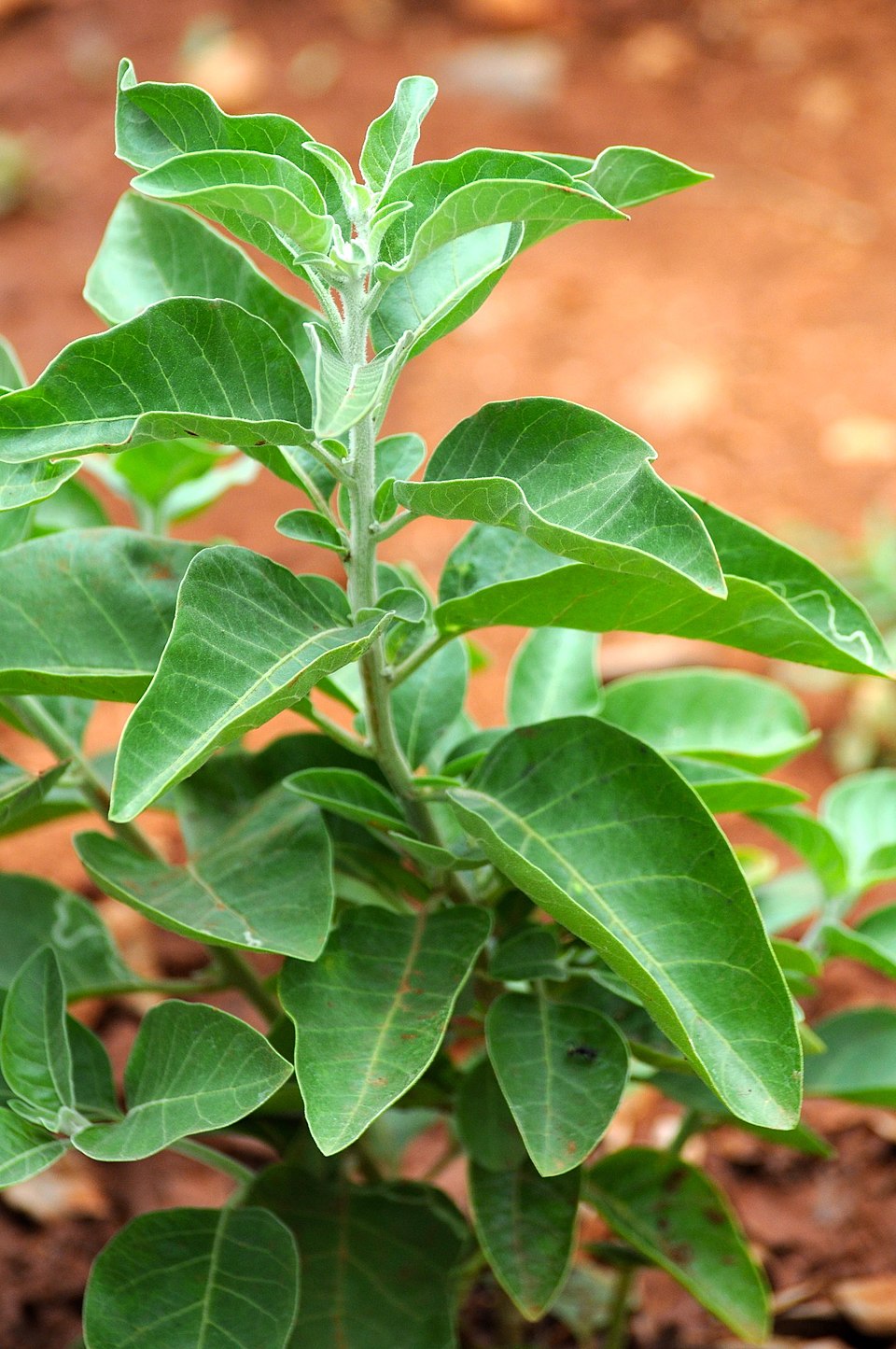
The recent ashwagandha leaf ban In India is taking food off the table for an untold number of farmers, and for no good reason.
An estimated average of 20% of farmer net profits disappeared overnight, based on the whims of bureaucrats.
A recent farm-level economics paper offers a baseline, with a net return over variable cost of about $356 per acre. Based on a reasonable analysis, the leaf is worth about $72 per acre from existing market demand.
That may not sound like much to many people, but it is food on the table for rural families in India.
—-
A farmer grows a plant. If one part of that plant was previously sold, and is then quickly removed from the legal market, the economics of the farmer suddenly changes for the worse.
Land preparation, sowing, irrigation, harvesting, processing and transport costs don’t just disappear when the leaf market disappears.
The farmer is simply paid substantially less for their crop.
And if they don’t profit from their crop, they will decide not to grow it.
The Ministry of Ayush and Fssai ,Food License Registration India actions are considered especially devastating for rain-fed farmers in the arid regions where ashwagandha is grown.
The regions where ashwagandha is cultivated — like Andhra Pradesh and Gujarat — are characterized by poverty and low agricultural potential.
Not much else can be cultivated in these regions without the money for irrigation and fertilizer that ashwagandha farmers often don’t have.
And as reported to the Ashwagandha Standards Alliance, some root-only buyers in India are prohibiting their farmers from selling leaf — forcing them to plow their money back into the soil.
20% of net profit isn’t a rounding error for these farmers. That leaf is literally the difference between survival and starvation for their family.
Stay tuned for more detailed economic impact analyses related to the leaf ban on ashwagandha farmers.